Published: 2026-08-31
 A fully local agent with tools, in about 40 lines: Ollama plus Pydantic AI
 Running Nex-N2.5 Mini on two H100s: the SGLang container setup, and an honest benchmark read
 Semantic grep cut agent tool calls 58% and input tokens 47% in the project's own benchmarks
 The instruction ceiling moved 10x in a year: 200 rules became 2,000
 How LinkedIn made coding agents work on 1,000+ internal repos without fine-tuning
 Two context approaches that look right and stall: the curated-context trap and the MCP plateau
OpenClaw 2.0 review: the upgrade broke, and the new features are web-app only
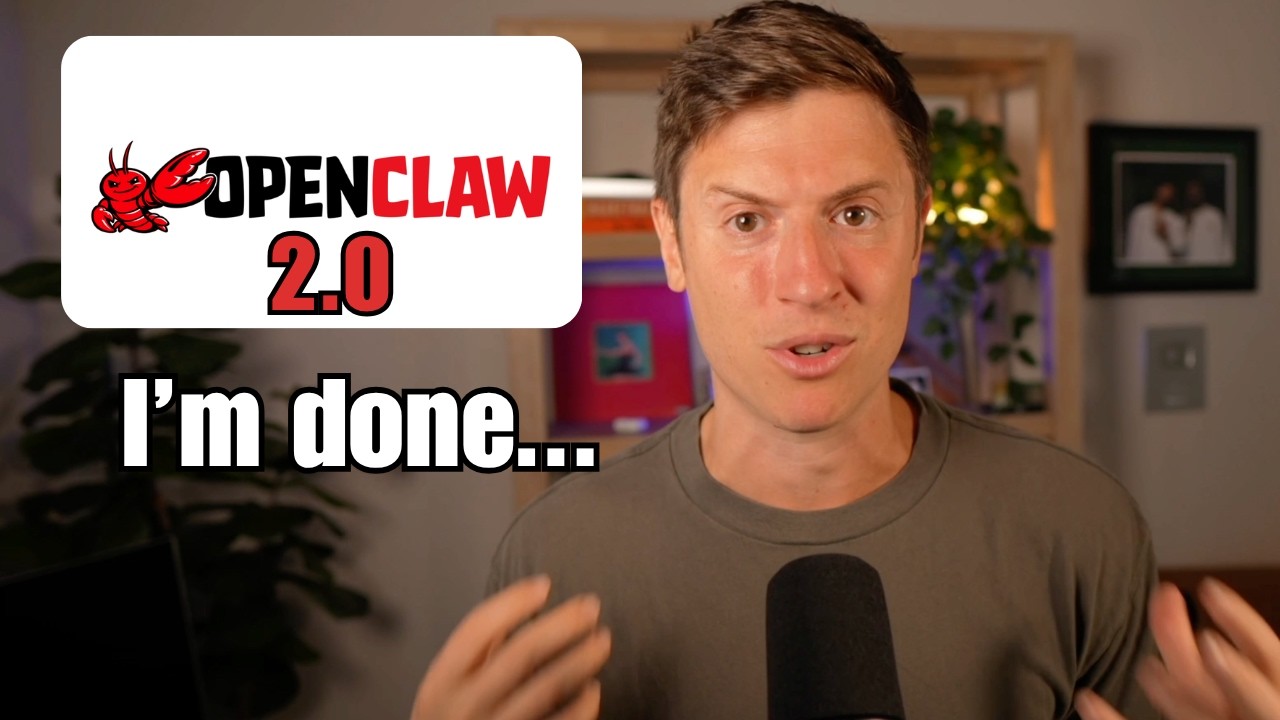
Two findings here are worth more than the feature list: the in-place upgrade failed the same way it has before, and most of what is new in 2.0 only exists in the web app. The reviewer left OpenClaw for another agent four months ago specifically because updates kept breaking, tried the standard "here is the release link, upgrade yourself" prompt that works on every other open-source tool he runs, and got a silent hang — then abandoned eight months of accumulated memories and skills for a clean install on a different machine. If you use OpenClaw mainly from Telegram or mobile, read the second point carefully before you plan around 2.0.
Source video
"OpenClaw 2.0 just dropped. It's officially over..." by Alex Finn — Watch on YouTube →
Gotchas & Caveats
- This is an explicitly critical review from someone who moved off the platform, and he says so up front. The feature descriptions are checkable against the release notes; the verdict is opinion.
- The subagent demo did not complete — a task given 27 minutes before recording was still stuck when he returned to it.
- The upgrade-breaks pattern is the reviewer's repeated experience, not a measured failure rate. His claim is that roughly 70% of his OpenClaw updates have broken. Treat it as one experienced user's track record, and take the clean-install advice from it regardless — our clean-install walkthrough covers that path.
- Group-chat access to a personal agent is a genuine security surface. Permissioning exists; whether it is sufficient for your data is a decision to make deliberately.
Key Takeaways
- The in-place upgrade failed silently. Given the release link and asked to upgrade itself — a prompt the reviewer says has a 100% success rate on every other open-source tool he maintains — the agent started, then stopped responding entirely. He ended up doing a fresh install on a different machine and losing eight months of memories and skills rather than repairing it again.
- Most 2.0 features are web-app only. Subagent orchestration, widgets and the rest do not surface in Telegram, and the mobile app does not have them either. If a meaningful share of your usage is on a phone, 2.0 changes less for you than the release notes suggest.
- Multiplayer agents: your agent can join group chats in Discord or Slack so several people talk to it, with permissioning so participants cannot change passwords or similar. The reviewer declined to demo it on the grounds that he does not want to give other people access to his personal agent — a fair reading of the risk even with permissions in place.
- Claude subscriptions work in OpenClaw again, reversing a restriction that had pushed users to other providers.
- Automatic skill improvement brings OpenClaw level with the self-improving behaviour Hermes launched on.
- Swarm subagents: complex tasks spawn multiple agents and multiple chats, with a tracking view over them.
- Conversation forking: you can rewind mid-conversation and branch to try a different approach from that point.
- Masked credentials: you can type a password into OpenClaw and it will not be passed to the model, which makes agent-driven site logins workable.
- The web app imports Codex projects and chats, so hooked-up coding-agent work appears alongside your OpenClaw sessions in one place — the feature the reviewer rated most useful.
More OpenClaw & Claude Code news
A fully local agent with tools, in about 40 lines: Ollama plus Pydantic AI
Running Nex-N2.5 Mini on two H100s: the SGLang container setup, and an honest benchmark read
Semantic grep cut agent tool calls 58% and input tokens 47% in the project's own benchmarks
The instruction ceiling moved 10x in a year: 200 rules became 2,000
How LinkedIn made coding agents work on 1,000+ internal repos without fine-tuning
Two context approaches that look right and stall: the curated-context trap and the MCP plateau